School Cleaning Services with Structured Maintenance and Hygiene Control
Reliable cleaning systems designed to maintain safe and orderly learning environments
HOW IT WORKS
Cleaning Definition and Process
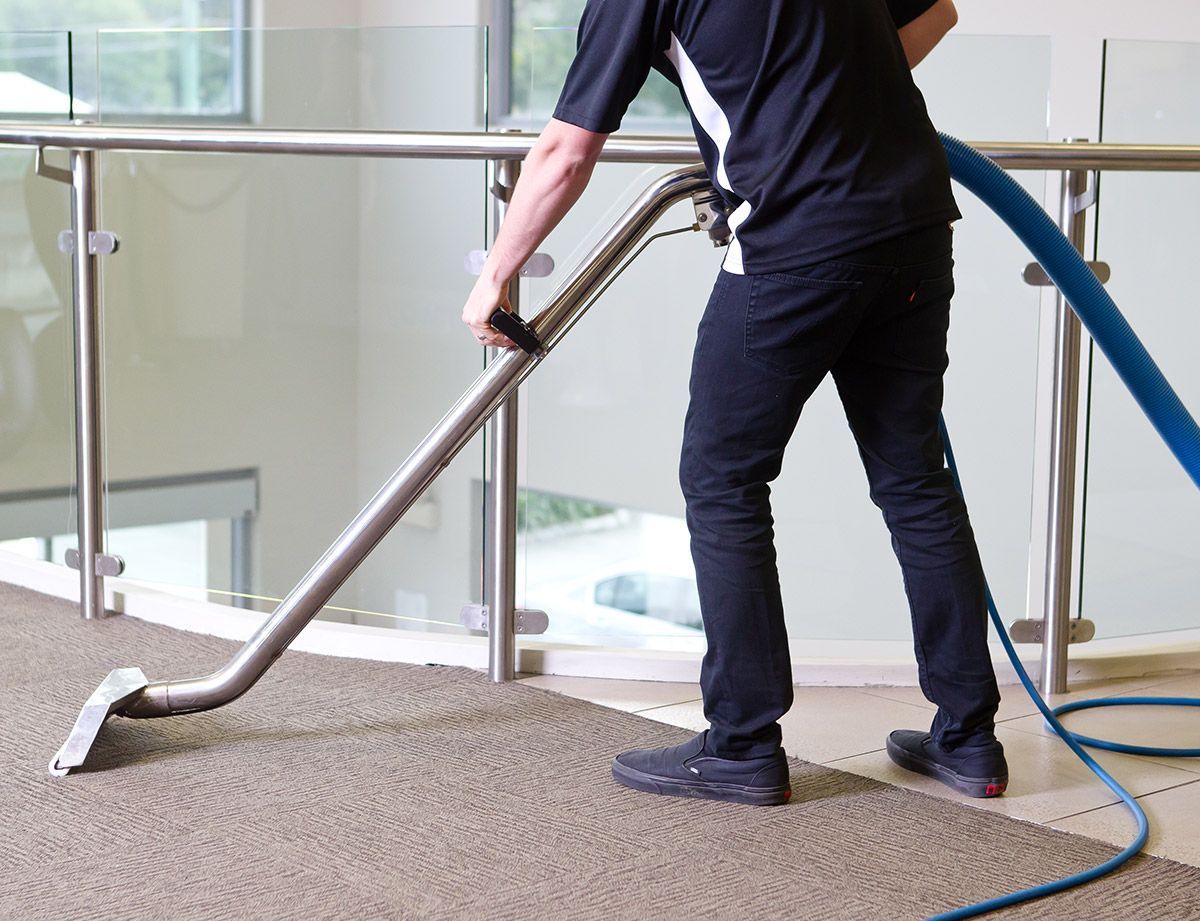
School cleaning involves systematic sanitation procedures applied across classrooms, corridors, restrooms, and shared facilities to reduce contaminants and maintain hygiene standards. At Nico's Carpet Cleaning, the process begins with a site assessment to identify high-contact areas, surface types, and cleaning frequency requirements. A structured plan is then developed, including daily, weekly, and periodic deep cleaning schedules. The process typically includes dusting, vacuuming, mopping, waste removal, and disinfection of touchpoints using approved cleaning agents.
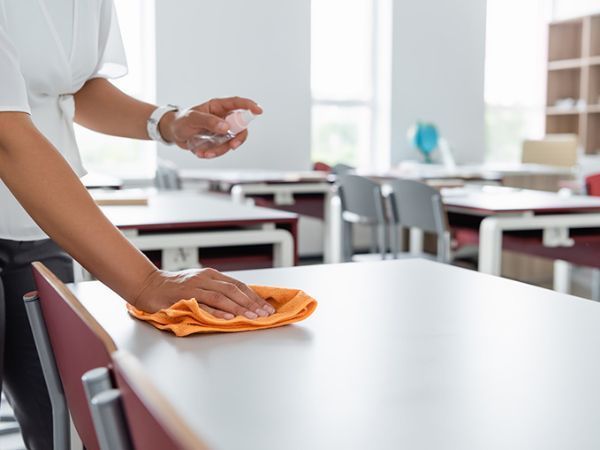
Special attention is given to desks, door handles, and fixtures where germs tend to accumulate. Advanced cleaning methods such as electrostatic disinfection may be used to improve coverage and efficiency. The workflow is organized to minimize disruption, ensuring cleaning activities align with operational hours and safety guidelines.
All procedures follow consistent sanitation protocols to maintain a clean and organized environment that supports health and safety. Regular quality checks and supervision ensure consistent results while adapting to changing cleaning needs and maintaining reliable hygiene standards over time. This ensures long-term cleanliness, reduces contamination risks, and supports a healthier and well-maintained environment for all occupants and daily activities.
OUR APPROACH
Specialized Maintenance and Hygiene Control Solutions
Cleaning services at Nico's Carpet Cleaning focus on maintaining consistent hygiene standards through structured processes and routine monitoring.
•🧼Surface Sanitization:
Thorough disinfection of high-touch areas to reduce microbial presence and maintain safe conditions.
•🌿Floor Care Management:
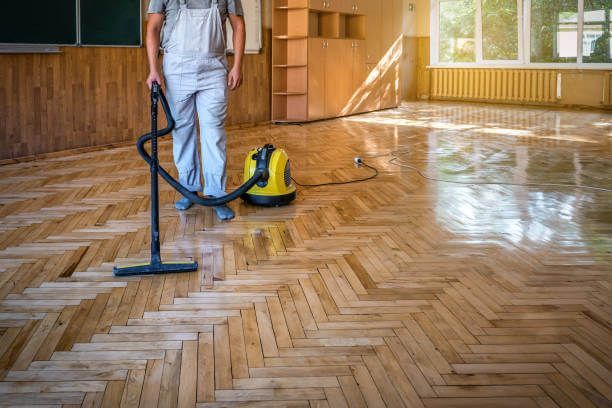
Regular sweeping, mopping, and polishing to ensure clean and slip-resistant flooring surfaces.
•♻Waste Handling System:
Efficient collection and disposal of waste to prevent odor buildup and contamination risks.
•🧴Restroom Sanitation:
Deep cleaning and disinfecting of restroom facilities to maintain hygiene and proper sanitation levels.
•🧹Dust Control Program: Routine dusting and air quality control measures to reduce allergens and improve overall cleanliness.
These services help maintain a structured and dependable cleaning environment by addressing key hygiene concerns and ensuring consistent upkeep. What sets the approach apart is the focus on routine processes, proper handling of materials, and attention to detail in every area. Maintaining cleanliness is important to support health, reduce risks, and create a more organized space that functions efficiently over time. The combination of planned procedures and reliable execution ensures steady results without disruption. For more details or service arrangements, contact (817) 695-5825.
Environmental and Surface Care Procedures
Cleaning and maintenance also include careful handling of surfaces and materials to ensure long-term durability and cleanliness. The process begins with identifying the type of surface, followed by selecting suitable cleaning agents that match the material without causing damage. Floors, walls, fixtures, and furnishings are treated using appropriate techniques such as wiping, scrubbing, or polishing depending on their condition. Special care is taken to prevent buildup of dirt, stains, and residues that can affect both appearance and hygiene.
Regular inspections are conducted to monitor cleanliness levels and adjust cleaning schedules as needed. Waste management is also included, ensuring proper segregation and disposal practices are followed. This structured approach supports consistent cleanliness and reduces the risk of wear over time. By maintaining clear procedures and using appropriate tools, the process helps preserve the condition of all areas while ensuring a clean and orderly environment.
Preventive maintenance steps are applied to detect early signs of damage and address them promptly, reducing costly repairs and extending surface lifespan while supporting ongoing hygiene standards and overall environmental quality. Routine monitoring, systematic planning, and careful execution ensure sustained performance, improved safety, and consistent cleanliness outcomes across all areas.